Special Intensive Revision in West Bengal Triggers Political Clash and Debate Over Electoral Integrity
Kolkata, India : The Special Intensive Revision of electoral rolls in West Bengal has sparked political, legal, and social debate as the Election Commission of India continues verification ahead of publication of final rolls. Chief Minister Mamata Banerjee has alleged procedural lapses, inconsistent instructions, and risks of voter disenfranchisement, urging corrective action or suspension of the exercise. The Election Commission maintains that the process follows statutory rules, allows claims and objections, and is intended to ensure accuracy. Official data show over 58 lakh names were removed from the draft rolls due to death, migration, duplication, or missing status, while nearly 1.67 crore cases initially flagged for logical discrepancies in linking voters to the 2002 rolls have reduced to about 95 lakh after re verification. These include mismatches in parental details and age inconsistencies. Political parties disagree on intent, with opposition groups questioning transparency and civil society reports noting anxiety among residents, particularly in border districts, over documentation requirements and potential exclusion.
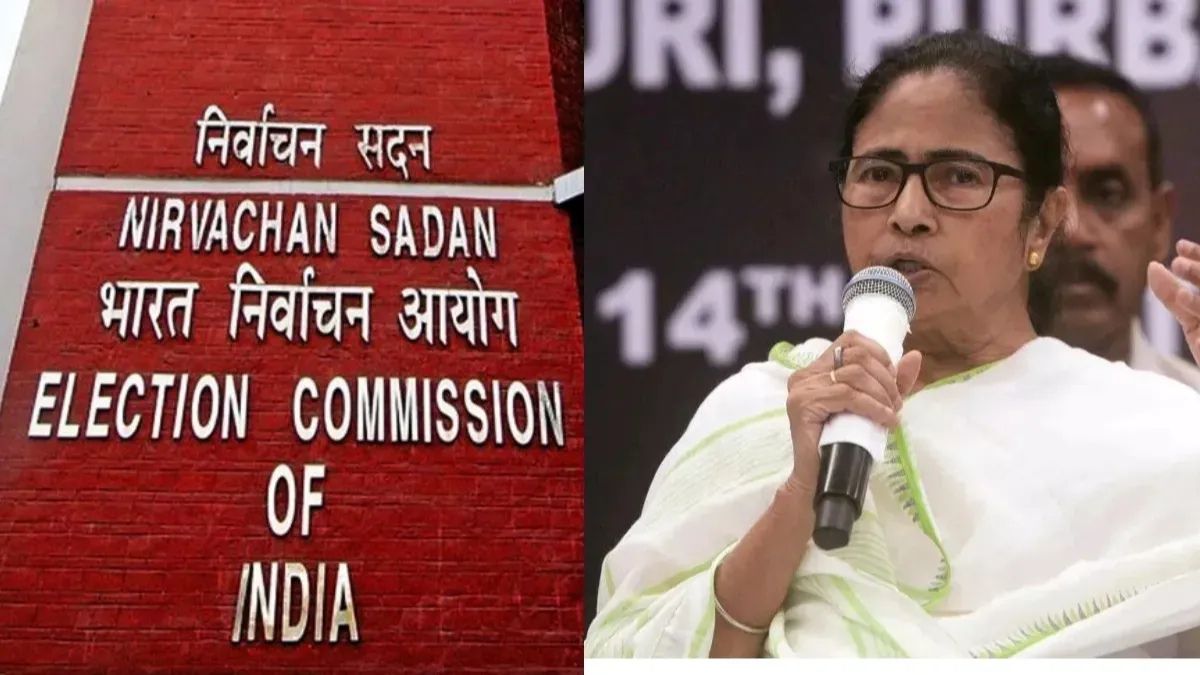
The Special Intensive Revision of electoral rolls underway in West Bengal has emerged as one of the most contested administrative exercises in the run up to the next Assembly elections, triggering a sustained political confrontation, legal scrutiny, and public anxiety across the state. At the center of the dispute is a sharp disagreement between the state government led by Chief Minister Mamata Banerjee and the Election Commission of India over the conduct, intent, and potential impact of the revision process.
The Special Intensive Revision, or SIR, is aimed at updating electoral rolls by verifying voter details against the 2002 electoral roll, which has been designated as the base document. According to the Election Commission, the exercise is intended to correct inaccuracies, remove ineligible entries, and ensure that voter lists reflect current and verified information. Officials argue that such revisions are a routine but necessary part of maintaining the integrity of the electoral process, particularly in states that have seen significant population movement over the past two decades.
However, the West Bengal government has raised repeated objections, alleging that the process has been conducted with undue haste and without adequate preparation. In a series of letters to the Chief Election Commissioner, the chief minister has pointed to what she describes as procedural violations, administrative lapses, and a lack of transparency. She has cited inconsistent instructions to election officials, reliance on informal communication channels, gaps in training, and technical issues with data systems. The state government has warned that unless these issues are addressed, the exercise risks large scale disenfranchisement of eligible voters.
The Election Commission has rejected these allegations, maintaining that the revision follows statutory rules and provides sufficient safeguards. It has emphasized that the publication of draft rolls is only the first stage and that voters and political parties have the opportunity to file claims and objections before the final rolls are notified. The Commission has also stated that verification is being carried out through house visits, document checks, and hearings conducted by Electoral Registration Officers.
Data released with the draft electoral rolls in December showed that more than 58 lakh names were marked for deletion. These deletions were categorized as voters who were deceased, had permanently migrated, were listed as missing, or were found to be duplicate entries. After these deletions, the draft rolls contained approximately 7.08 crore voters, down from about 7.66 crore voters listed before the revision began.
In addition to deletions, the Election Commission identified a large number of cases involving what it termed logical discrepancies in progeny mapping with the 2002 roll. These included mismatches in parents’ names, unusual age differences between voters and their parents or grandparents, and instances where a single elector was linked to an unusually high number of successors. Initially, around 1.67 crore such cases were flagged. As of early January, election officials reported that this number had been reduced to about 95 lakh following re verification efforts.
Election authorities say these discrepancies do not automatically result in deletion and are being examined individually. Booth Level Officers have been tasked with revisiting households, and voters with unresolved issues are being called for hearings. The Commission has also pointed out that multiple online and offline mechanisms are available for voters to check their status and submit claims.
Despite these assurances, the exercise has generated considerable unease among sections of the population, particularly in border districts such as Cooch Behar and Murshidabad. Civil society groups and independent media reports have documented fear among residents that minor spelling errors or documentation gaps could lead to exclusion from the voter list. In some areas, the SIR has been compared by residents and political leaders to the National Register of Citizens process carried out in Assam, which resulted in widespread controversy and legal challenges.
The ruling Trinamool Congress has alleged that the revision is being used as a political tool to target specific communities, an accusation the Election Commission and opposition parties have denied. The Bharatiya Janata Party has argued that the SIR is essential to eliminate bogus or illegal entries and ensure fair elections. At the same time, some regional and community groups have expressed support for stricter verification, arguing that long standing demographic changes have not been adequately reflected in voter rolls.
The debate has also taken on a legal and constitutional dimension. Critics of the Commission’s approach argue that its powers under the Constitution carry an obligation not only to follow procedure but also to proactively address public concerns to maintain trust in democratic institutions. The Commission, for its part, has stressed that it operates within a legal framework and cannot act on political statements alone without formal complaints and evidence.
As the process moves toward the publication of final rolls in February, the stakes remain high. With Assembly elections expected next year, the outcome of the Special Intensive Revision will likely shape both the political narrative and voter confidence in the months ahead. Whether the exercise ultimately strengthens electoral integrity or deepens mistrust will depend not only on the final numbers, but also on how transparently and sensitively the remaining stages are handled.